

B.C. Employers – Sick Note Not Required
 By: Michelle Quinn
Co-written by: Aivrey Mckinley (2026 Articled Student)
The recent amendments to British Columbia’s Employment Standards Act (the “ESA“) provides guidance to employers as to when they can request medical documentation from employees. In this post we summarize the key amendments to the ESA and highlight practical points that employers need to know.
What has changed under the B.C. Employment Standards Act (the ESA)?
The recent amendments to the ESA restrict when employers may request medical documentation from employees for short-term absences due to an illness or injury. Effective November 12, 2025, employers can no longer require a medical note from a healthcare practitioner for an employee’s first two medical absences of five days or fewer in any given calendar year.
Why did the B.C. Government change the medical‑note requirements under the ESA?
The B.C. government introduced these amendments to reduce administrative burdens on healthcare practitioners and improve access to medical care, particularly for patients who genuinely need medical attention rather than workplace documentation.
Under the ESA, can employers still request any proof of an illness or injury?
The short answer is yes. While medical notes may be restricted, employers may still request “reasonably sufficient proof” that an absence was connected to an illness or injury. The B.C. government has also clarified that requesting medical documentation for common and short-lived ailments may not be reasonable, such as a cold or flu.
Reasonably sufficient proof may include:
- Pharmacy or prescription receipts
- Hospital or clinic wristbands
- Verbal or written confirmation from the employee
- Other information that reasonably explains the absence
The B.C. government has also clarified that requesting medical documentation for common and short-lived ailments may not be reasonable. This includes conditions such as:
- Colds or flu
- Similar routine illnesses
- Debilitating menstrual cramps
Are there any circumstances that permit employers to request medical documentation from employees under the ESA?
Yes, employers may continue to request medical documentation in the following circumstances:
- When an employee’s absence exceeds five consecutive days.
- When the employee has already taken two short-term absences of five days or less in the same calendar year.
- When documentation is required to assess accommodation obligations under the B.C. Human Rights Code, R.S.B.C. 1996 c. 210.
- When determining whether an employee is fit to return to work following a workplace injury.
Do the new restrictions on employers requesting medical notes from employees apply to all types of leave under the ESA?
No. The prohibition on requesting medical notes does not apply to certain statutory leaves, including:
- Maternity leave;
- Parental leave;
- Compassionate care leave;
- Critical illness leave; or
- Other specific leave entitlements under the ESA.
What are the key takeaways for B.C. employers in light of the new amendments to the ESA?
Employers should take proactive steps to ensure compliance, including:
- Reviewing and updating workplace leave and attendance policies;
- Ensuring medical notes are not required for the first two short-term absences of five days or fewer;
- Tracking short-term absences to determine when documentation requests are permitted;
- Limiting documentation requests to what is reasonably necessary; and
- Training HR professionals and managers to apply the new requirements consistently.
If you would like additional information or advice on the recent amendments to the ESA or updating your workplace policies, please contact any member of RBS’ Employment and Human Rights Group.
-
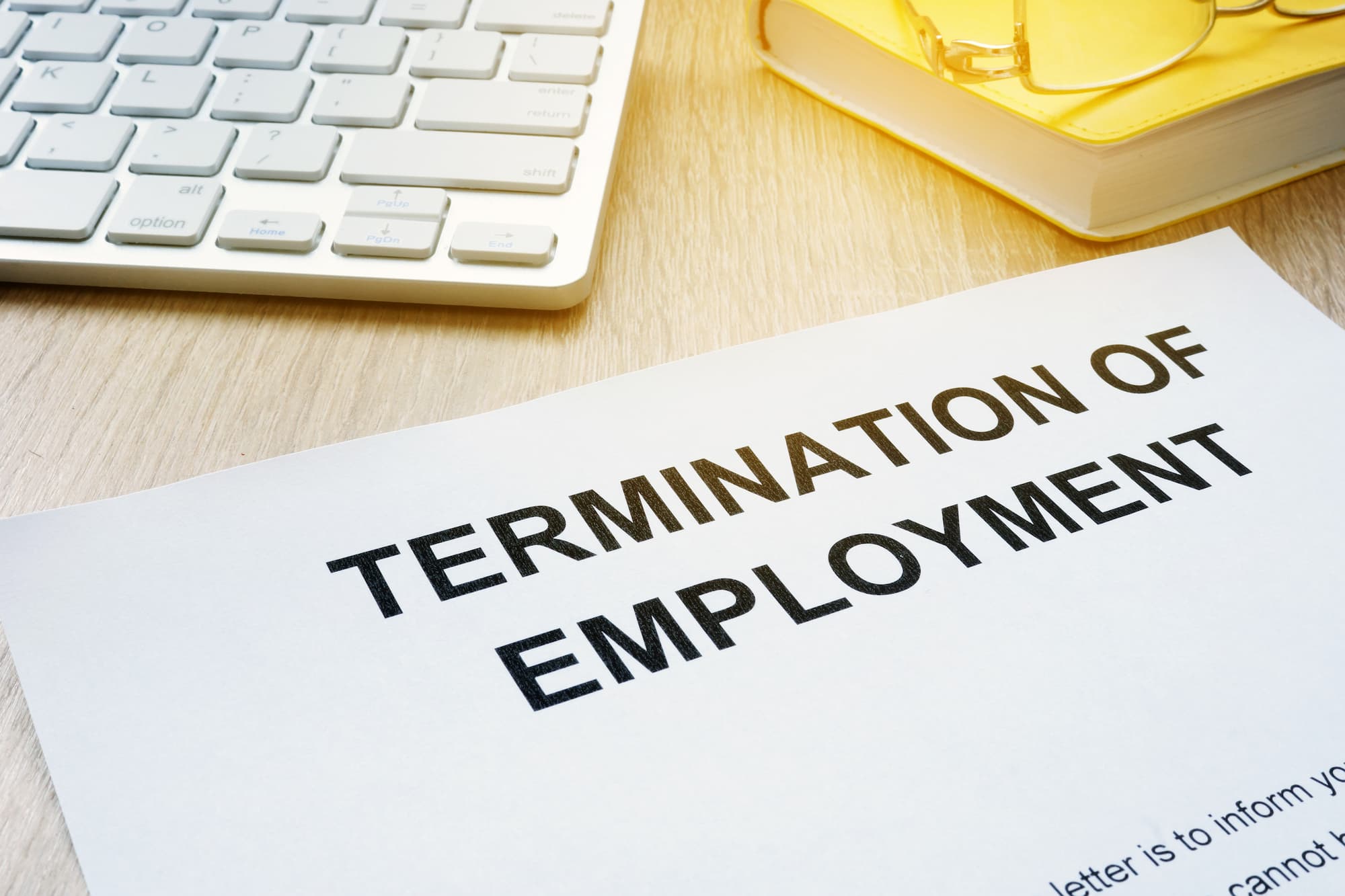
The Court of Appeal decision of Café La Foret ltd v. Cho, 2023 BCCA 354 is a reminder to all employers that even misconduct such as sexual harassment will not always justify cause for dismissal. Context plays a big role in determining whether an employer has cause for dismissal.
-

“Layoff” is a commonly misunderstood term. A layoff occurs when an employee’s work is reduced by 50% or more of their previous hours but the employer expects to recall that employee in the future.
Prior to the COVID-19 pandemic, this procedure was often used only in seasonal or other cyclical industries, however, as the business community faced the impacts of COVID-19 and the provincial government broadened the applicable rules, it became more widely used. Now, as businesses have reopened only to face closures again, a refresher on the current rules is key.